

Within the depths of the web lies a dimension that few are willing to navigate. This secret layer, known as the dark net or darknet, is frequently wrapped in mystery and fascination. It functions as a marketplace for those in search of items and offerings that operate outside the boundaries of conventional digital commerce.
While the commercial internet is a bustling economy of open markets and transparent transactions, the darkweb presents a sharp difference—characterized by anonymity, illicit exchanges, and a intricate web of users traversing its unregulated terrain.
For some, the appeal of the dark net is the promise of forbidden items and services, ranging from the unusual to the criminal. From rare objects to prohibited substances, the offerings are as diverse as they are controversial. However, these shadowy deals come with serious risks, as traversing this underworld requires a delicate balance of curiosity and caution. In this piece, we will delve into the details of darkweb trading platforms, examining how they operate, the reasons of their users, and the implications of engaging in this covert side of online commerce.
A Darkweb: An Overview
The darkweb represents a part of the web that is not listed by traditional search engines. Accessing the darkweb usually requires specific software, the most common being Tor, which anonymizes user traffic. This layer of the web is home to a range of activities, some of those are legal and some which veer into illegal transactions. Users often seek the darkweb to maintain anonymity, whether for legitimate reasons such as privacy and free expression or for participating in illegal activities.
Although the darkweb is often associated with illicit marketplaces, it can also be a refuge for those looking to interact securely. Journalists, activists, and individuals in repressive regimes sometimes turn to these hidden networks to share information without the risk of government surveillance. darknet site gives the darkweb a dual identity, oscillating between an area of genuine concern for rights and a haven for unlawful practices.
Darknet markets are notorious for enabling the sale of drugs, weapons, stolen data, and various illicit goods. Such markets operate on the principle of anonymity, allowing buyers and sellers to transact without revealing their identities. Nonetheless, law enforcement agencies globally have increasingly focused on infiltrating and dismantling these platforms, leading to a continual cat-and-mouse between regulators and darkweb users. This dynamic landscape keeps the darkweb in a state of change, reflecting broader societal issues around privacy, security, and legality.
Risks and Regulations
Traversing the darkweb entails significant threats, not only to purchasers as well as merchants. Illicit transactions often lead to run-ins with schemes, where participants can lose their funds or get substandard or fake goods. The disguised nature of deep web markets also increases a higher chance of facing dangerous software, which can compromise personal data and financial information. This unstable environment fosters an atmosphere in which trust is challenging to establish, making it essential for individuals to be hyper-vigilant.
Beyond the immediate risks, there are legal repercussions associated with engaging in darkweb commerce. Legal statutes surrounding digital transactions can be quite diverse by region, but many countries have stringent regulations that penalize trading in illegal goods and services. Law enforcement agencies proactively monitor sections of the darkweb, and participants could face serious criminal charges if caught engaging in such activities. Understanding these regulations is crucial, as ignorance of the law does not provide legal immunity.
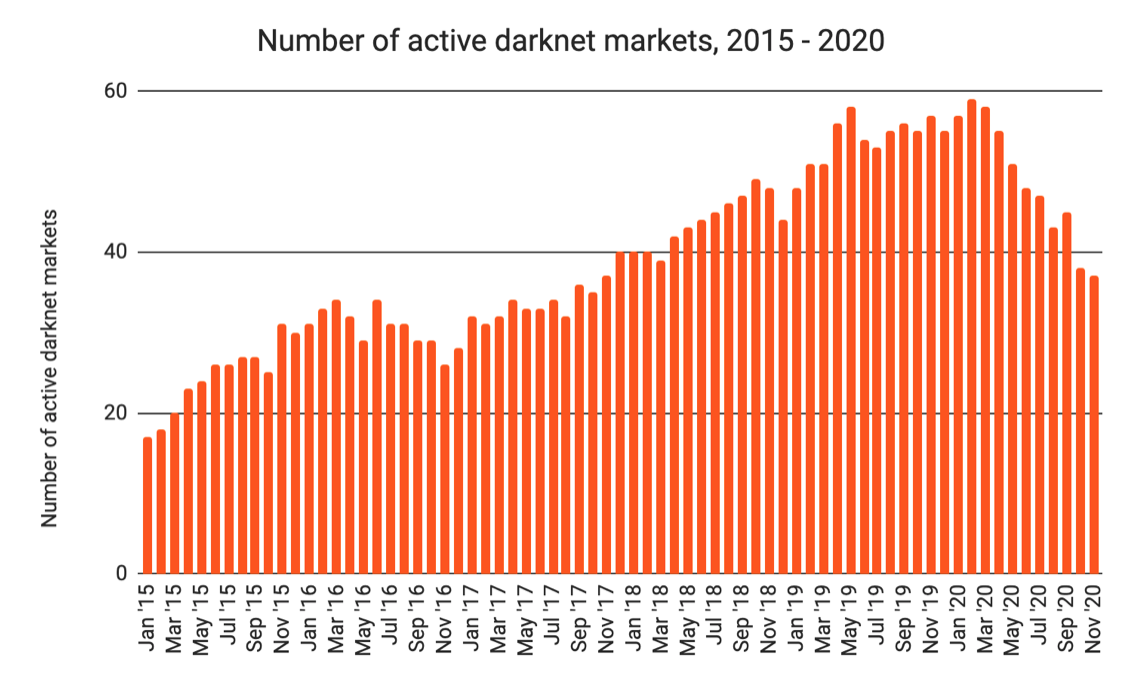
As the deep web changes, so too do the strategies of lawmakers seeking to fight illegal acts. Authorities internationally are joining forces to enhance tracking and monitoring features, employing technologies to detect and take down these underground markets. Initiatives include the detention of notable operators and the shutdown of significant platforms, which poses additional risks for users relying on these channels for transactions. Staying informed about legal developments is essential for anyone considering participation in the deep web, as the ramifications of these actions can be considerable and permanent.
The Future of Darknet Commerce
As continue to progress, the space of darknet commerce is also seeing significant transformations. The introduction of advanced encryption methods along with privacy-focused cryptocurrencies will likely additionally enhance the level of anonymity users demand users look for in these markets. These developments open up new avenues for illicit transactions but also presenting challenges for law enforcement agencies working hard to combat illegal activities online. This constant cat-and-mouse game between darkweb vendors and authorities will likely escalate, shaping the future direction of these underground economies.
Furthermore, the rise of decentralized marketplaces is changing the way goods and services are exchanged on the darknet. Unlike traditional platforms which operate under centralized control, these decentralized platforms offer users greater autonomy and security. This shift not only enhances the user's ability to conduct transactions without oversight, but it additionally complicates regulatory efforts. As these markets gaining traction, they could potentially attract a broader audience, including individuals who may previously have hesitated to engage in darkweb commerce due to issues of security.
In the future, the future of darknet commerce is expected to see further integration with mainstream technologies as well as trends. Innovations like artificial intelligence and machine learning may be harnessed by vendors to streamline their operations, while buyers might evolve into more discerning in their search for reputable suppliers. As the line between the surface web and darker corners of the internet blurs, the implications for both users and law enforcement are likely to be profound, making it critical to keep an eye on these developments closely.